
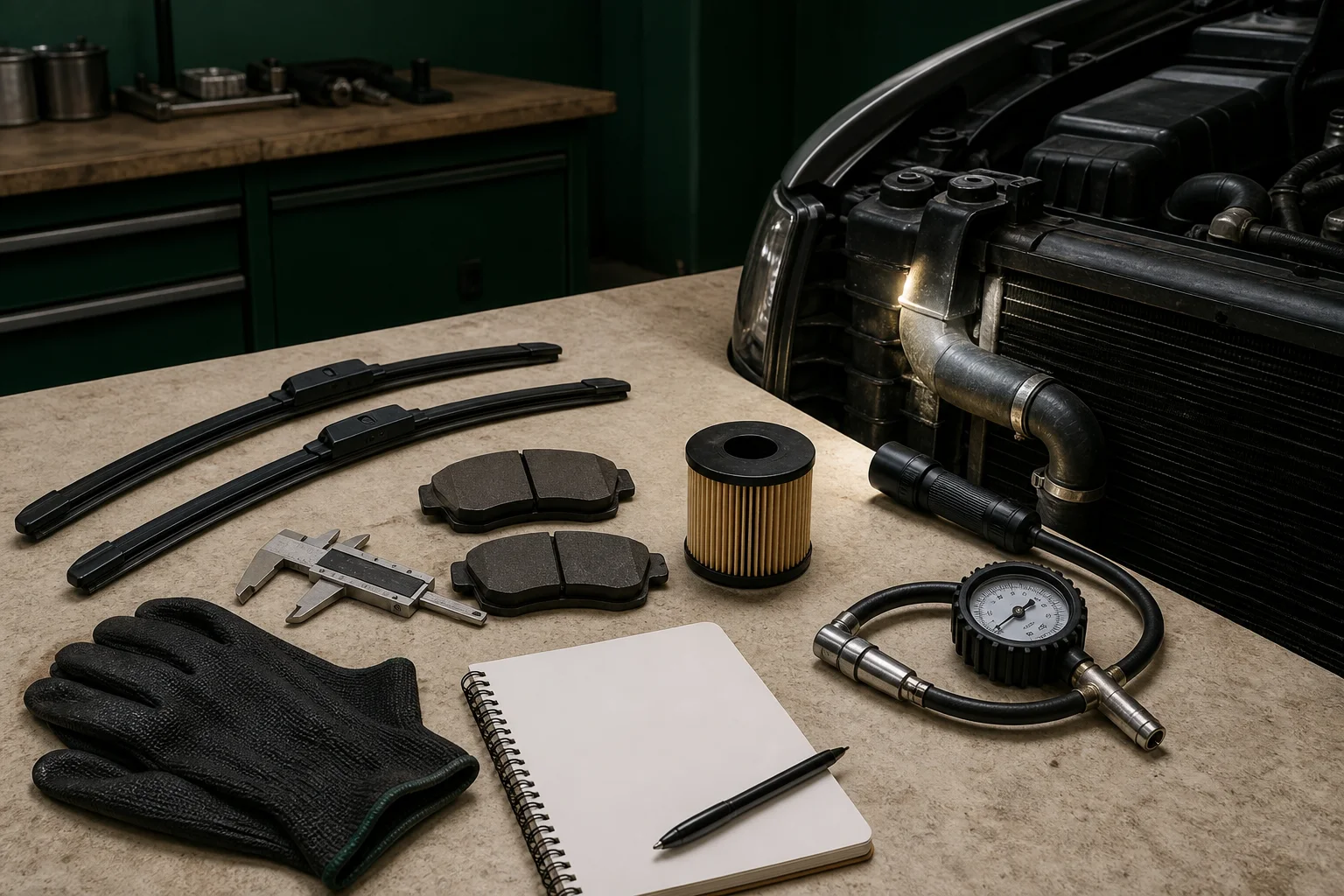
RAV4 general maintenance
Toyota RAV4 Pre-Trip Parts and Safety Checklist
A pre-trip check should find safety or reliability concerns early without encouraging roadside repairs beyond the operator’s competence.
Complete the inspection early enough to diagnose and obtain the correct part before departure. A rushed visual walk-around cannot replace applicable service procedures, but it can expose poor wiping, visible leaks, tire damage, lamp faults, abnormal noises or an overdue service record that needs professional attention.
Application boundaries
Know what changes the inspection.
Record the vehicle branch and the physical evidence before applying any maintenance decision.
Preparation
Have the right information and equipment ready.
- Service history, warning-lamp notes and the route or towing plan
- Tire-pressure gauge, inspection light and clean cloths
- Washer fluid and only those service fluids specified for the vehicle
- Phone photos and a simple checklist for recording part position and condition
Practical sequence
Use four controlled steps.
Stop when the condition exceeds routine inspection or the applicable procedure requires specialist tools.
- 01
Review records and warnings
Check known faults, service history, fluid guidance and warning lamps before packing the vehicle.
- 02
Walk around in daylight
Look for leaks, tire or lamp damage, loose trim and poor wiper contact.
- 03
Inspect service items safely
Use the applicable procedure for filters, fluid level and brake condition; never open a hot cooling system.
- 04
Prepare evidence and contingencies
Record the required part accurately and allow time for fitment confirmation and repair.
01 · Inspection note
Visibility comes first
Run the washers and inspect the wiping pattern. Split rubber, chatter, missed areas or a damaged adapter may justify blade service. Measure each position and photograph the arm connection before buying a set.
02 · Inspection note
Brake observations need context
Listen for new noise and watch for pulling, vibration or abnormal heat, but pad thickness and rotor condition require a safe inspection. A RAV4 model year alone does not determine the brake package; retain caliper and old-pad evidence.
03 · Inspection note
Cooling checks must be cold and controlled
Look for dried coolant residue, damaged hoses or debris blocking the heat exchangers. Check level only as directed for the exact vehicle and never remove a hot pressure cap. Overheating or rapid loss requires diagnosis, not a top-up-and-drive plan.
04 · Inspection note
Pack records, not random spare parts
For a long trip, correct part references, roadside-assistance details and service contacts are more useful than carrying guessed components. If a replacement is needed, record production, powertrain, position, dimensions, connectors and included hardware before ordering.
Common mistakes
Avoid errors that hide the real condition.
These mistakes can lead to a wrong part, an incomplete repair or an unsafe result.
Checking only fluid levels
Visibility, tire condition, lamp operation, wiper contact, leaks and unusual heat also affect trip readiness.
Opening a hot cooling system
Hot pressurized coolant can cause severe burns; inspect only as directed after safe cooling.
Carrying guessed spare parts
A wrong belt, filter or sensor adds no resilience. Accurate references and repair access are more useful.
Post-work verification
Check the result before normal use.
After any repair, perform the specified stationary checks and an appropriate short road check before loading the vehicle. Recheck for leaks, warning lamps, abnormal heat, noise, pulling and secure attachment of serviced items.
Safety boundary
Do not begin a long trip with unresolved braking, steering, overheating, fuel-leak or high-voltage warnings. Have the vehicle assessed by a qualified technician.
Related parts
Compare the RAV4 components involved in this check.
Use position, dimensions, connectors, labels and the removed component to narrow the correct replacement. Model year alone does not confirm fitment.
RAV4 wiper blades
Compare application boundaries, physical identifiers, variants and the items included in the quotation.
RAV4 parts identificationRAV4 brake pads
Compare application boundaries, physical identifiers, variants and the items included in the quotation.
RAV4 parts identificationRAV4 radiators
Compare application boundaries, physical identifiers, variants and the items included in the quotation.
RAV4 parts identificationRAV4 oil filters
Compare application boundaries, physical identifiers, variants and the items included in the quotation.
Common questions
Clarify the decision before starting work.
Use the answers with the applicable vehicle information and stop when diagnosis or specialist service is required.
Is a visual brake check enough before a trip?
No. Symptoms or uncertain service history may require a proper inspection with safe lifting and measuring procedures.
Should a hot radiator cap be opened to check coolant?
No. Follow the vehicle guidance and allow the system to cool; hot pressurized coolant can cause severe injury.
Continue learning
Related RAV4 maintenance guides.
Compare related symptoms, service items and identification checks before deciding what work or replacement is needed.
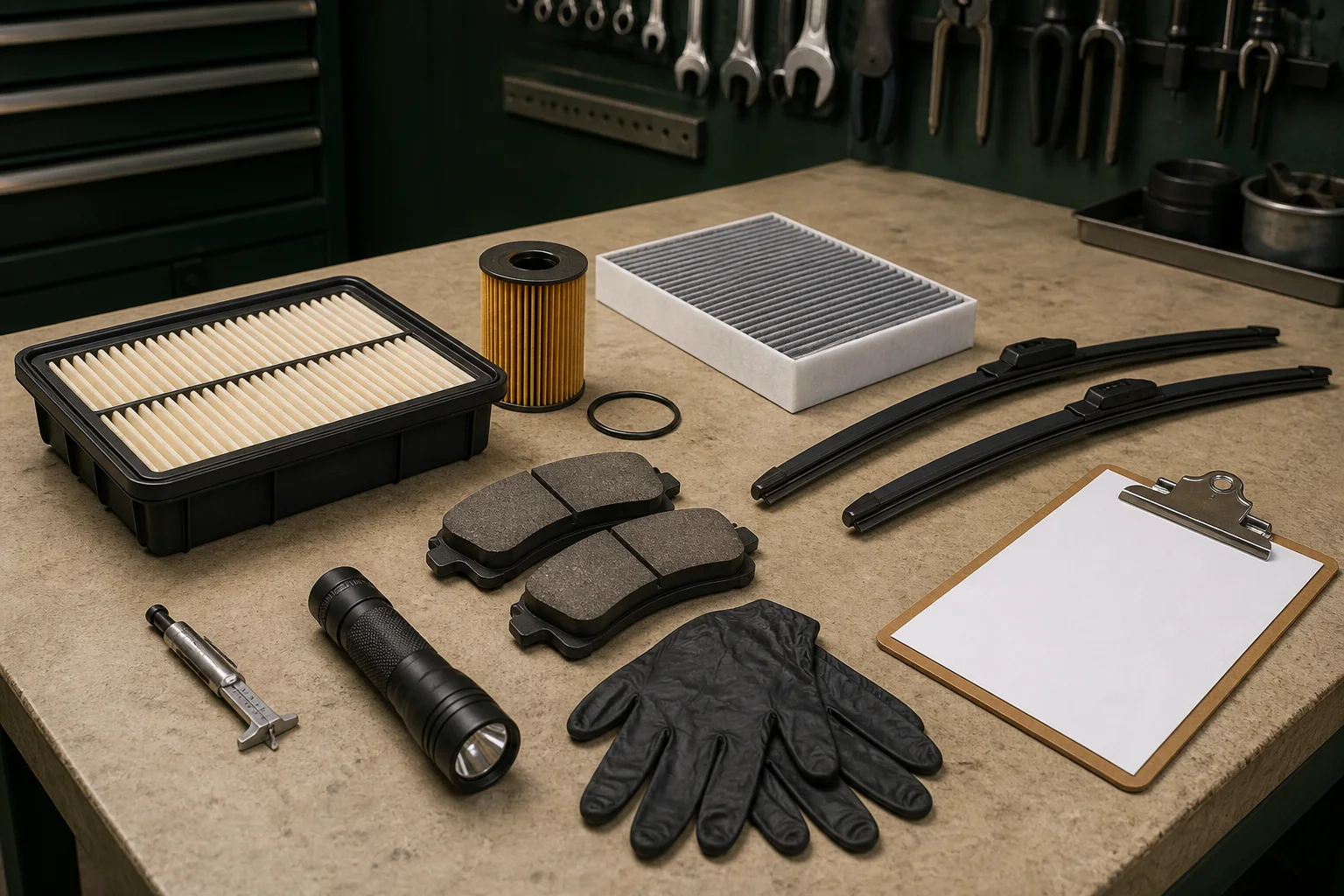
How to Build a Practical Toyota RAV4 Maintenance Inspection Plan
Use condition, mileage, operating environment and service records to decide what needs inspection before buying replacement parts.
Read guide →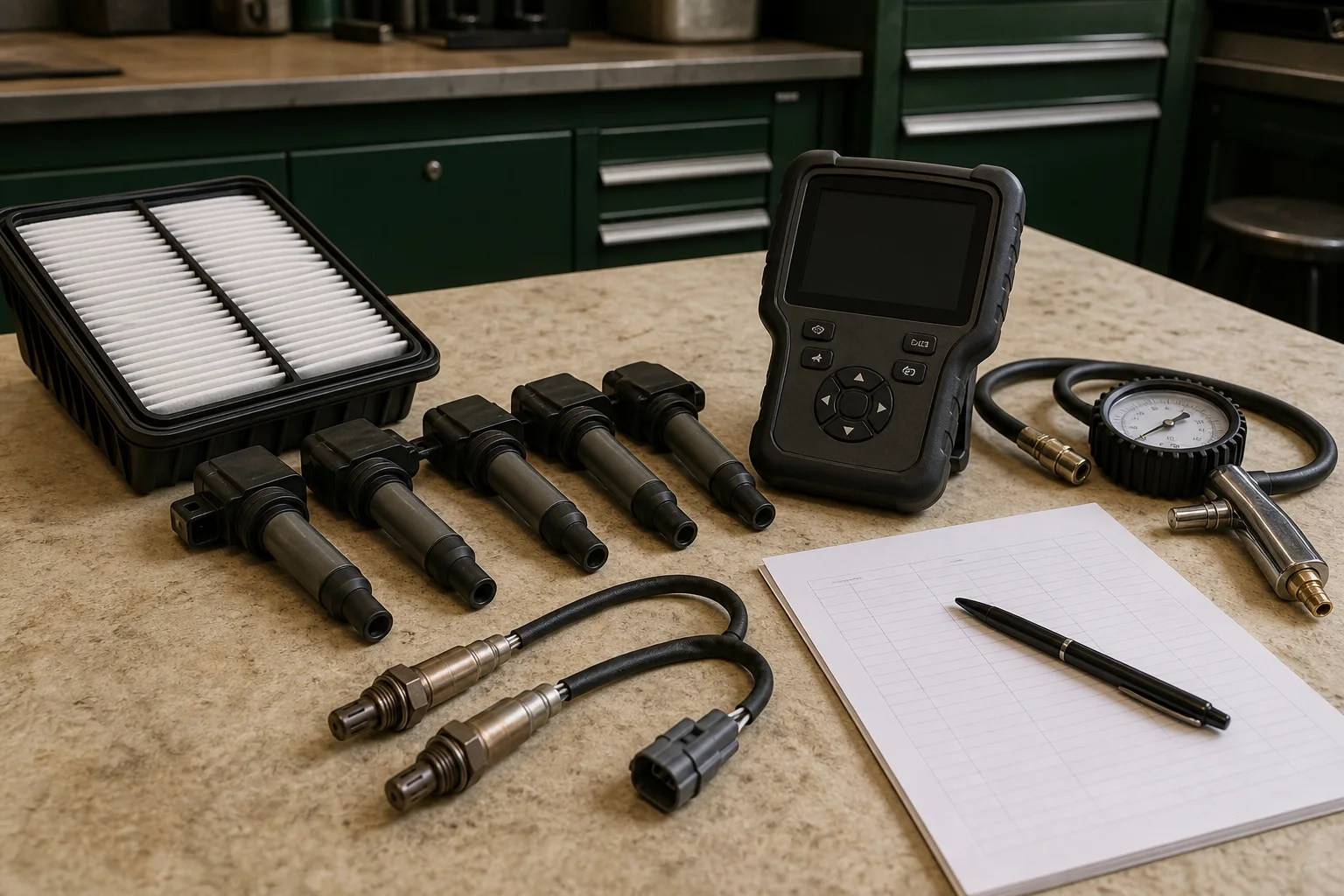
Toyota RAV4 Fuel Economy Checks Before Replacing Parts
Poor fuel economy can reflect operating conditions, tire or brake drag, maintenance state, sensor data or driving pattern; use a measured diagnostic path.
Read guide →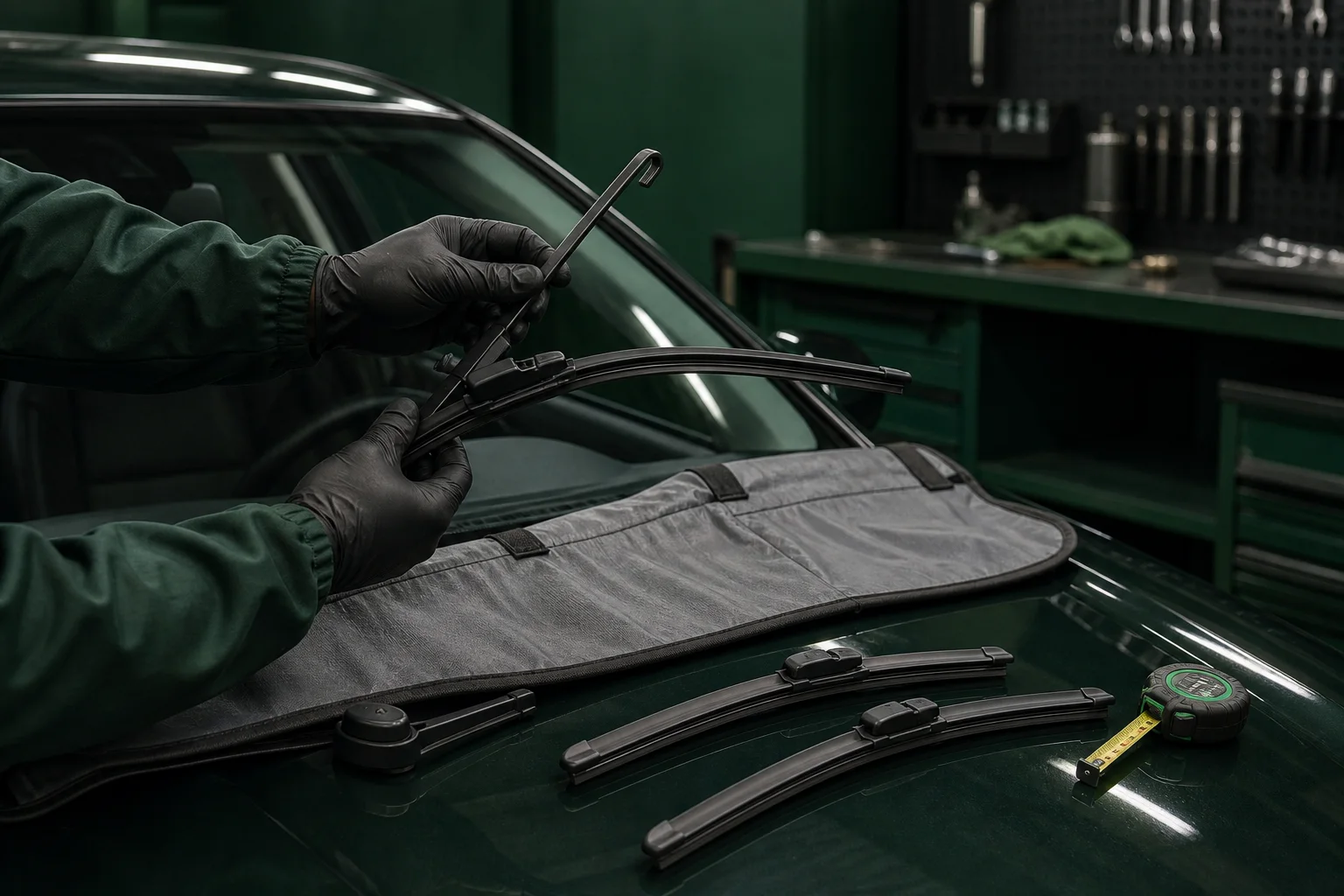
How to Measure and Replace Toyota RAV4 Wiper Blades
Treat driver, passenger and rear blades as separate parts; measure each blade and identify the arm adapter before buying a set.
Read guide →