
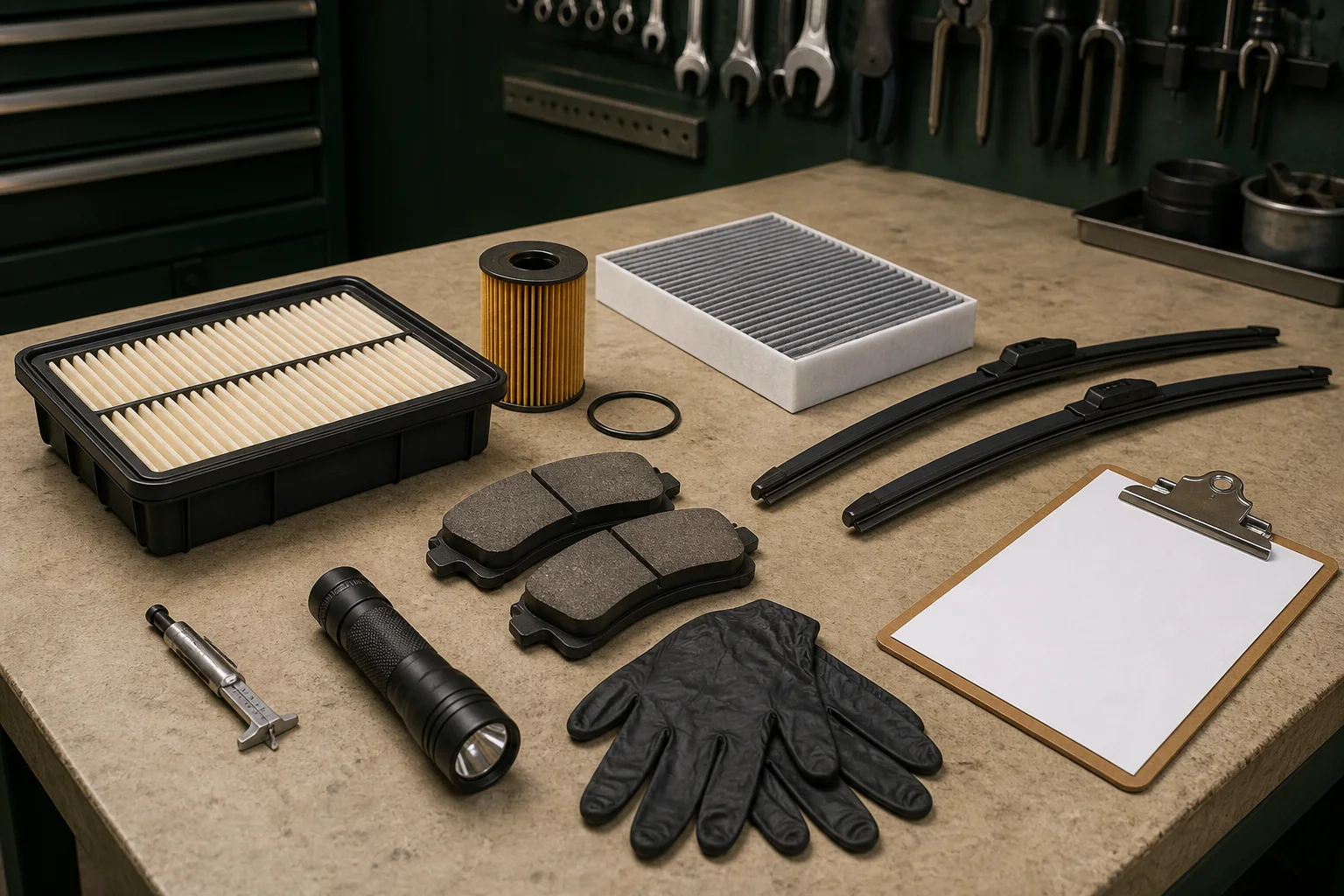
RAV4 general maintenance
How to Build a Practical Toyota RAV4 Maintenance Inspection Plan
Use condition, mileage, operating environment and service records to decide what needs inspection before buying replacement parts.
A useful maintenance plan is not a universal calendar copied from another market. Start with the owner or service information for the exact vehicle, then add condition checks that reveal dirt, wear, leakage, damage or declining performance. The goal is to identify a real maintenance need and preserve enough evidence to select the correct component.
Application boundaries
Know what changes the inspection.
Record the vehicle branch and the physical evidence before applying any maintenance decision.
Preparation
Have the right information and equipment ready.
- Applicable owner or maintenance information for the exact vehicle
- A worksheet with date, mileage, warning lamps and recent symptoms
- A light, gloves, measuring tools and safe access appropriate to each system
- Photos of labels, connectors, dimensions and wear before a part is removed
Practical sequence
Use four controlled steps.
Stop when the condition exceeds routine inspection or the applicable procedure requires specialist tools.
- 01
Create the vehicle record
Write the production date, market, engine or hybrid designation, drivetrain, mileage and known service history.
- 02
Separate routine and symptom work
Routine checks can be scheduled; warning lamps, leakage, vibration or overheating require diagnosis first.
- 03
Inspect before ordering
Photograph the installed part, labels, connectors and relevant wear so the purchase is tied to evidence.
- 04
Record the completed work
Keep the fitted reference, date, mileage and observations for the next maintenance cycle.
01 · Inspection note
Start with the vehicle, not a generic interval
RAV4 generations, markets and powertrains do not share one universal maintenance list. Use the applicable manual and service information as the controlling source. A fleet can still use one worksheet, but every row should preserve the vehicle identity and its actual operating conditions.
02 · Inspection note
Group checks by practical access
Under-hood work can combine visual checks of the engine air filter, oil filter area, cooling system and obvious leaks. Cabin work can cover the cabin filter and controls. A wheel-off inspection can reveal pad thickness, rotor condition and hose damage, but it should be carried out safely by trained personnel.
03 · Inspection note
Turn observations into a part request
“Needs service” is not a sufficient buying specification. Record the part position, physical dimensions, installed reference where readable, connector or mounting features, desired quantity and included hardware. This prevents a maintenance checklist from becoming an inaccurate shopping list.
04 · Inspection note
Use severity to set priorities
Brake or steering symptoms, overheating, fuel odor, electrical overheating and hybrid-system warnings deserve prompt professional diagnosis. Dirty filters or worn wipers are usually more straightforward, but the correct part still depends on the installed housing, length, adapter or application branch.
Common mistakes
Avoid errors that hide the real condition.
These mistakes can lead to a wrong part, an incomplete repair or an unsafe result.
Copying one universal interval
A schedule from another market or powertrain can omit relevant checks or create unnecessary work.
Ordering a broad service kit first
Filters, wipers and brake parts can vary within one model year; identify each installed component before building the order.
Closing the job without records
Missing mileage, fitted reference and observations makes the next maintenance decision harder and weakens fleet traceability.
Post-work verification
Check the result before normal use.
After service, confirm every cover and connector is secure, check that no warning lamp or leak appeared, and record the fitted reference, mileage and next inspection trigger. Safety-related symptoms must be resolved before the vehicle returns to normal use.
Safety boundary
Follow the vehicle manual, warning information and qualified diagnosis. Safety-critical and high-voltage work requires appropriate training and equipment.
Related parts
Compare the RAV4 components involved in this check.
Use position, dimensions, connectors, labels and the removed component to narrow the correct replacement. Model year alone does not confirm fitment.
RAV4 air filters
Compare application boundaries, physical identifiers, variants and the items included in the quotation.
RAV4 parts identificationRAV4 oil filters
Compare application boundaries, physical identifiers, variants and the items included in the quotation.
RAV4 parts identificationRAV4 cabin air filters
Compare application boundaries, physical identifiers, variants and the items included in the quotation.
RAV4 parts identificationRAV4 wiper blades
Compare application boundaries, physical identifiers, variants and the items included in the quotation.
RAV4 parts identificationRAV4 brake pads
Compare application boundaries, physical identifiers, variants and the items included in the quotation.
Common questions
Clarify the decision before starting work.
Use the answers with the applicable vehicle information and stop when diagnosis or specialist service is required.
Can every RAV4 use the same maintenance interval?
No. Follow the information for the exact market, model and powertrain, then adjust inspections for operating conditions and documented history.
Should parts be purchased before inspection?
Only when the application is already verified. Otherwise inspect and record the installed component first so the order is based on evidence.
Continue learning
Related RAV4 maintenance guides.
Compare related symptoms, service items and identification checks before deciding what work or replacement is needed.
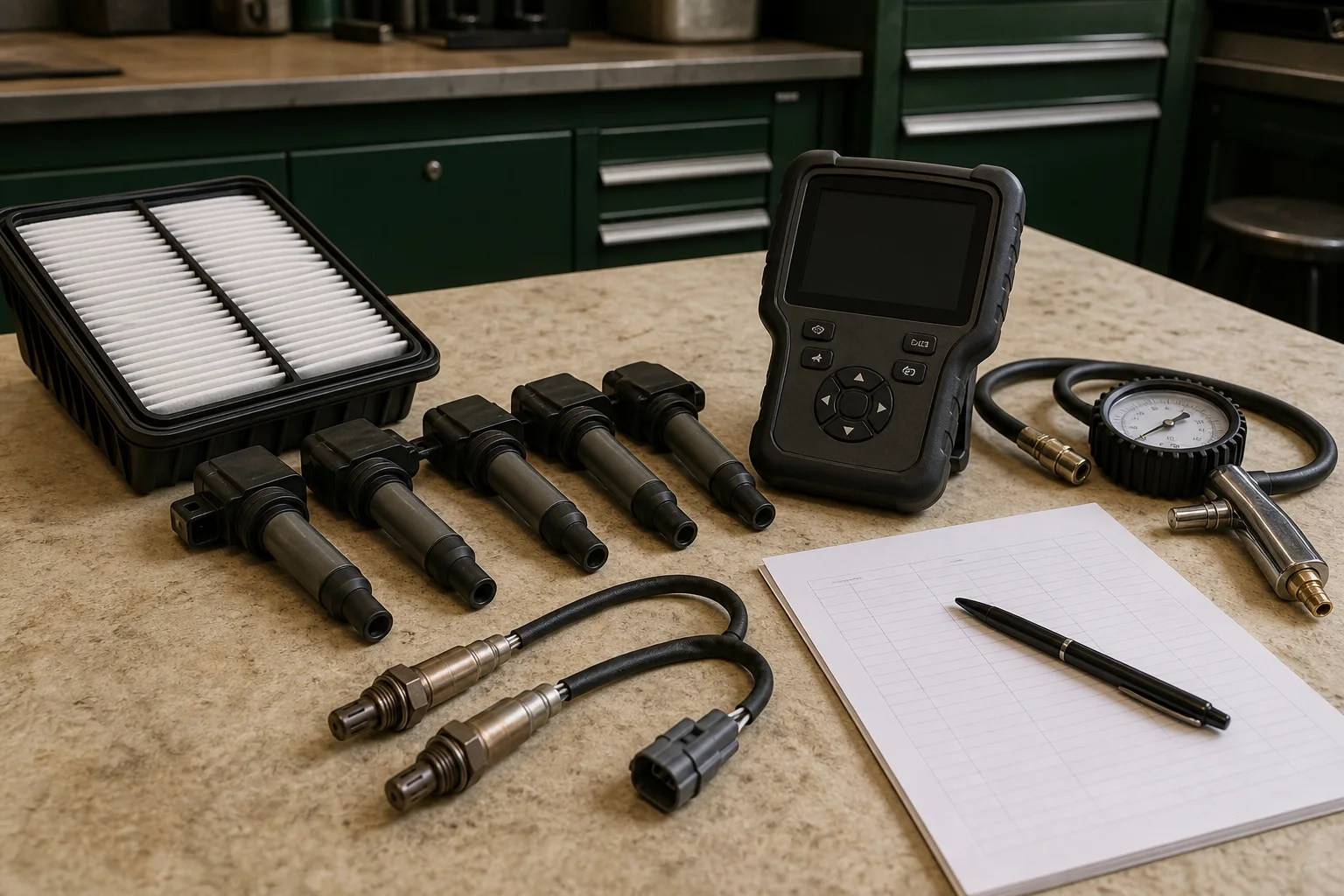
Toyota RAV4 Fuel Economy Checks Before Replacing Parts
Poor fuel economy can reflect operating conditions, tire or brake drag, maintenance state, sensor data or driving pattern; use a measured diagnostic path.
Read guide →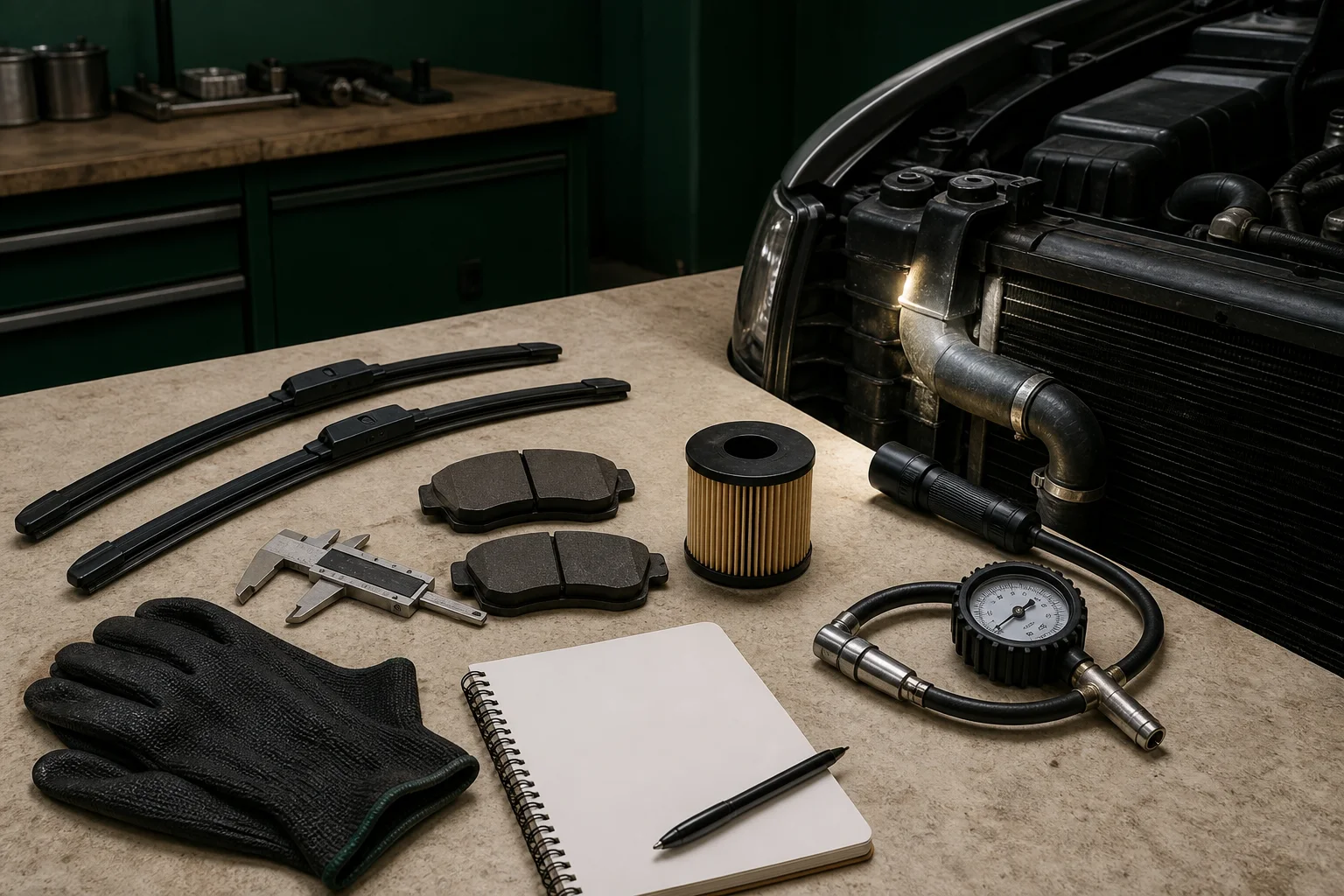
Toyota RAV4 Pre-Trip Parts and Safety Checklist
A pre-trip check should find safety or reliability concerns early without encouraging roadside repairs beyond the operator’s competence.
Read guide →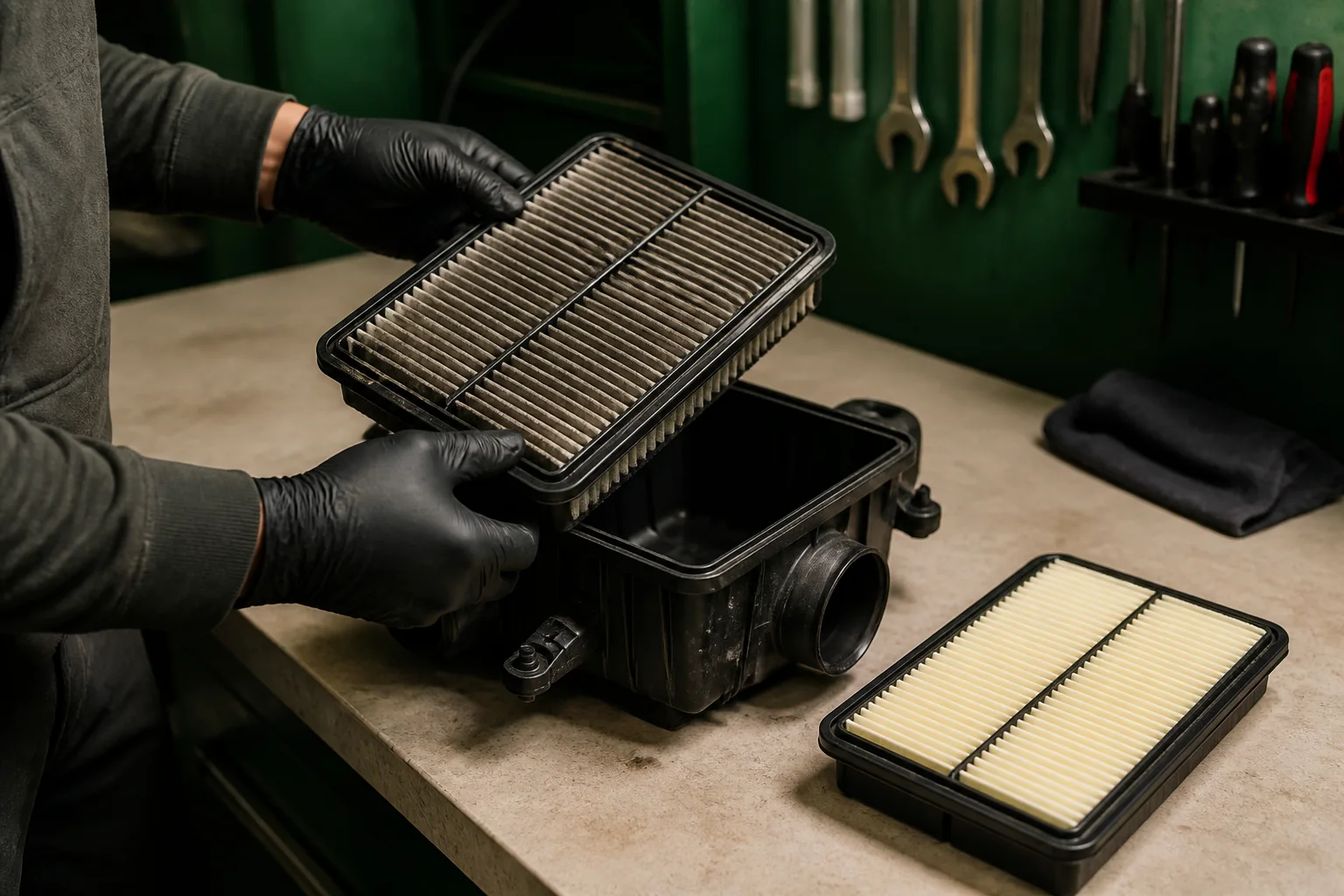
How to Inspect and Replace a Toyota RAV4 Engine Air Filter
Check the installed housing, seal and filter dimensions before replacement; dirt color alone does not prove restriction or correct fitment.
Read guide →